Citation Reports: A Playful Retro Display Font for Crafters
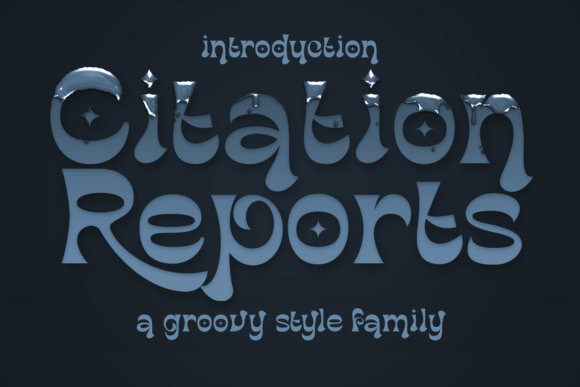
If you've ever spent hours searching for that perfect bold, nostalgic typeface—one that instantly evokes mid-century charm without sacrificing clarity or cutability—you’ll recognize Citation Reports the moment you open it. This isn’t just another retro font. It’s a display font with personality: chunky, confident, and full of vintage warmth—like a well-loved diner sign or a hand-painted soda bottle label from the 1950s. As someone who designs printable wall art, laser-cut wooden tags, and custom candle labels for my small shop, I reached for Citation Reports the second I saw its preview—and haven’t put it down since.
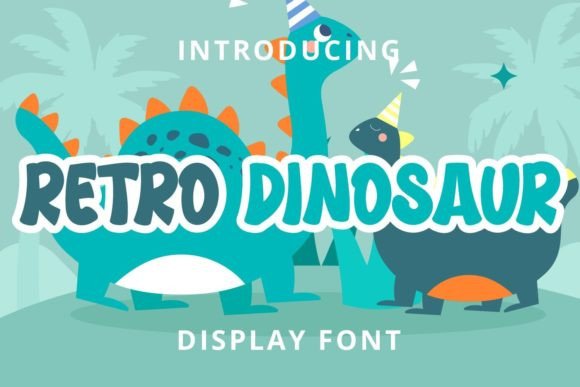
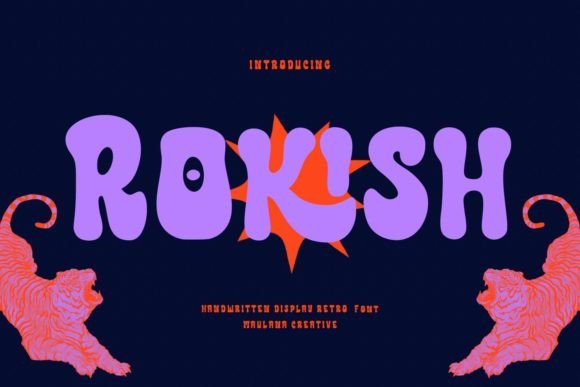
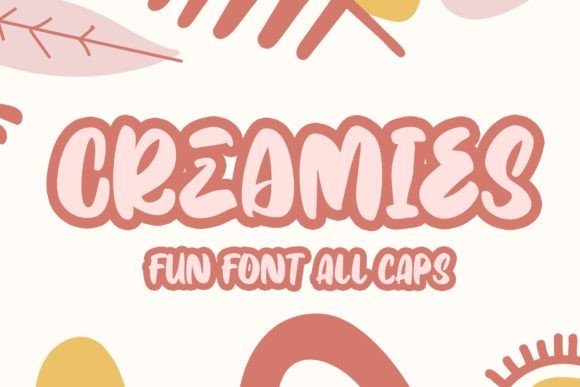
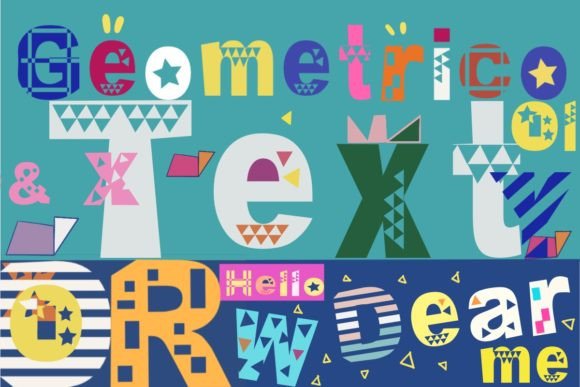
What makes Citation Reports so practical for physical and digital craft products is how well it balances playfulness with purpose. Its letterforms are bold enough to hold up on a 2-inch sticker or a rustic wood sign, yet detailed enough to feel intentional—not cartoonish. The rounded terminals, subtle flares, and consistent stroke weight give it strong readability at small sizes (think 14–18pt on product tags), while still delivering maximum impact at large scale (300+pt on a wedding welcome board). And because it’s designed as a display font, it shines where it’s meant to: in headlines, titles, names, and short phrases—not long paragraphs.
I’ve used Citation Reports across dozens of real product types: vintage-style bakery labels for cookie boxes, foil-stamped gift tags for handmade soap, Cricut-cut vinyl decals for mugs and tote bags, SVG files for Silhouette users making seasonal farmhouse signs, and even printed planner covers with “June” or “Summer Goals” set in bold all-caps. For holiday collections, it adds instant charm to “Merry & Bright” ornaments and “Gather ‘Round” printable banners. On greeting cards, it gives birthday invites a cheerful, confident voice—especially when paired with a soft handwritten script for names or messages.
Readability matters—especially when your font goes through multiple production steps. I tested Citation Reports on my Cricut Maker with both vinyl and cardstock, and it cut cleanly every time—even at 12pt with tight kerning. No jagged edges, no lost details. That’s rare in retro display fonts, many of which rely on thin strokes or delicate flourishes that don’t translate well to cutting machines or small-scale printing. Citation Reports avoids those pitfalls: its forms are sturdy, open, and optimized for clarity, whether you’re printing on kraft paper, heat-pressing onto cotton, or exporting for digital mockups.
Font pairing is where Citation Reports really comes alive. I often combine it with a clean sans serif like Montserrat or Lato for body text on printable templates—creating contrast without competition. For wedding stationery, I pair it with a flowing script (like Allura or Great Vibes) for names and dates, letting Citation Reports handle “Mr. & Mrs.” or “Reception” in bold, joyful authority. When designing boutique packaging, I use it for the brand name on a sticker, then switch to a simple serif like Merriweather for ingredient lists or care instructions. The key is contrast: let Citation Reports be the anchor—the visual “hello”—and support it with something quieter but equally intentional.
Inside the font file, you’ll find standard OpenType features including stylistic alternates and ligatures—small touches that elevate professionalism. For example, the alternate “R” has a more pronounced tail, and the “A” offers a double-bar option that adds nuance to logos or monograms. These aren’t gimmicks; they’re tools for refining your brand identity across formats. If you're building a cohesive line—say, a collection of printable wall art themed around “Coffee & Cozy”—those alternates help keep each piece feeling unified but distinct. And yes, it supports extended Latin characters, so if you sell internationally or create bilingual printables (like English/Spanish baby shower invites), you won’t hit roadblocks.
Licensing is non-negotiable when you’re selling physical goods or digital downloads—and Citation Reports includes a clear commercial license. That means you can use it in SVG files sold on Etsy, embed it in Canva templates, apply it to t-shirt designs, and feature it on product packaging—all without legal hesitation. Just remember: you can’t resell the font file itself or claim it as your own creation. But using it to design a best-selling printable planner bundle? Absolutely. Turning it into a die-cut sticker pack for craft fairs? Yes. Including it in client branding kits for local boutiques? Covered.
One thing I love about Citation Reports is how it quietly raises perceived value. Customers don’t know typography terms—but they *feel* quality. A candle labeled in this font reads as thoughtfully made, not mass-produced. A wedding welcome board feels personal and intentional, not generic. Even digital products benefit: when your Canva template uses Citation Reports in the title slide, buyers immediately associate it with warmth, nostalgia, and craftsmanship—traits that convert browsers into buyers.
It’s also remarkably versatile across seasons and styles. In spring, it softens beautifully with pastel palettes and floral accents. Come fall, it grounds rich mustard and deep olive tones without looking dated. I’ve used it for “Farmhouse Fresh” produce boxes, “Small Batch” jam jars, and “Hand-Poured” soy wax candles—all with consistent brand resonance. It doesn’t shout. It invites. And in a crowded handmade marketplace, that kind of quiet confidence is gold.
If you’re choosing fonts for your shop, ask yourself: does it work as hard as you do? Does it look great on screen *and* in print? Does it scale reliably across stickers, signs, and social media graphics? Does it reflect the heart of your brand—not just its aesthetics, but its values? Citation Reports answers yes to all of them. It’s not just a retro display font. It’s a reliable, expressive, commercially ready tool—one that helps your handmade business speak clearly, warmly, and unmistakably.